

I'm Joey Schmidt, founder and principal of Buddy Co.

Hey, Bud.
I build the systems that make real partnerships possible and keep them going. The money and the advocates that come with them go right back into the people and communities you're there for.

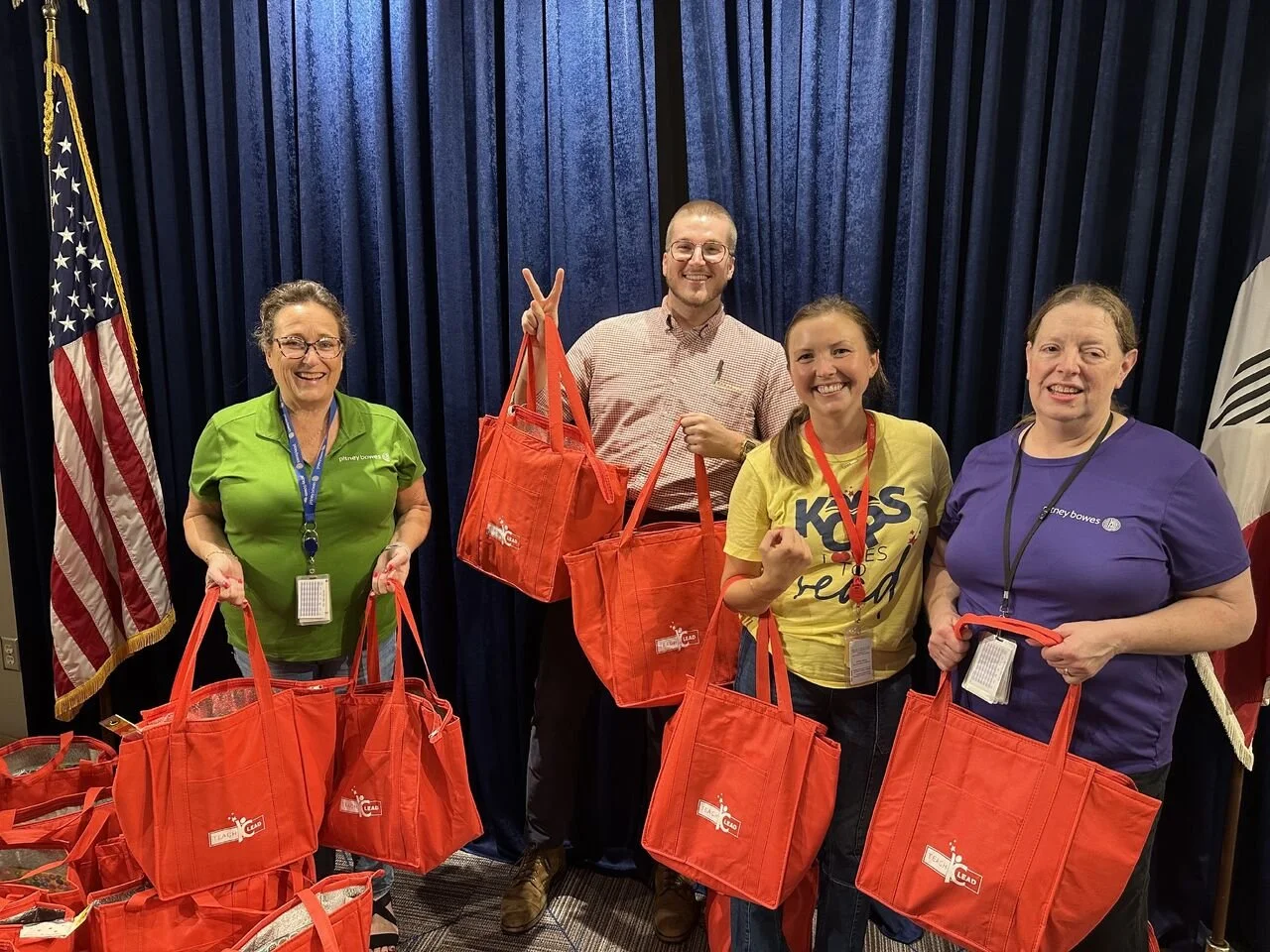
People are the heart of it.
The teacher in me wants to show you how to win, work with you through the pains, and be your deepest advocate. I spent two years with Teach for America teaching fifth-grade English in Kansas City, and the itch to work myself out of a job has never really gone away.
I started Buddy Co to bring real, working partnership systems to more organizations. Over the years, I've sat in many different rooms with many different strategies and vibes. The ones where it clicked and soared were centered around real life needs and the culture of the people. Pro sports teams stepping behind voter registration. Design firms gifting marketing services.
People give to organizations that feel good to give to. They can tell when something is working. The partnerships that last are the ones where a company looks at your mission and sees itself thriving. My job is to build the systems that make that real, and to route every partner and donor to the part of the work they see themselves in. When you show up as your best with a system that backs it, you bring in more dollars and more folks who'll go to bat for you. Let's get to work for your people.
Every engagement starts with you.

Before I touch anything, I get into your world, your data, your partners, what's quietly been falling apart. Then I build a plan with you. I stick around. I'm not the guy who asks good questions and disappears. I show up on a schedule, hold you to the goals we set together, and teach you to hold yourself to them once I'm gone. When you can run it without me, we've done good.
Community first, always.
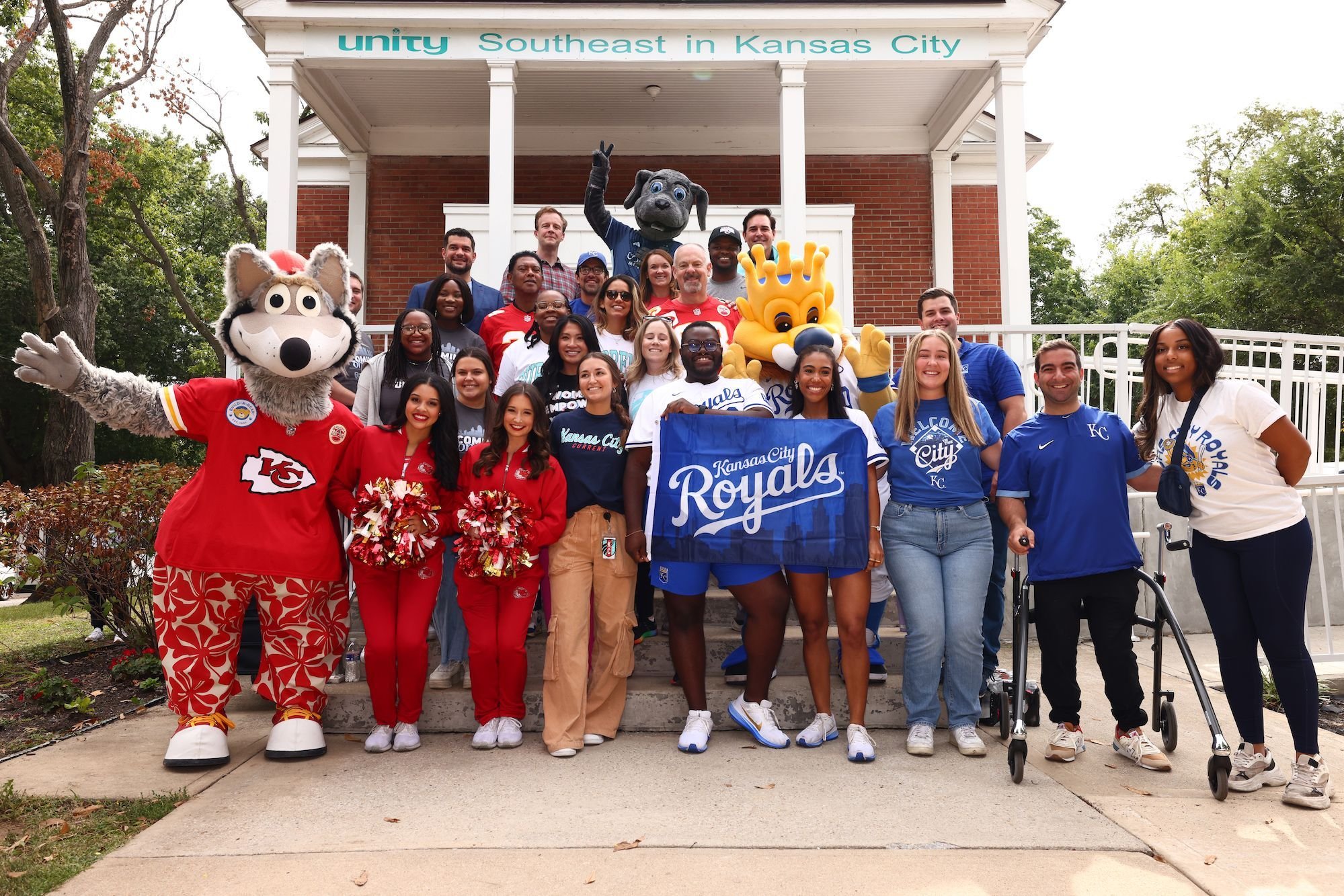
Not every partnership looks the same.
Some organizations don't want a national brand on the banner. They want the small business two blocks over, the family foundation that grew up in the same neighborhood, the company whose people already show up to volunteer on weekends. Those are the ones that stick, and mean something to both sides.
I don't roll in with a list of companies to call. We build that list together, after I know who actually belongs in your corner. I come in to learn what you stand for, then build something that brings the right people in at whatever level and shape they can, and grows them from there. An in-kind helper becomes a sponsor. A company chasing a logo becomes a real partner building something with you.
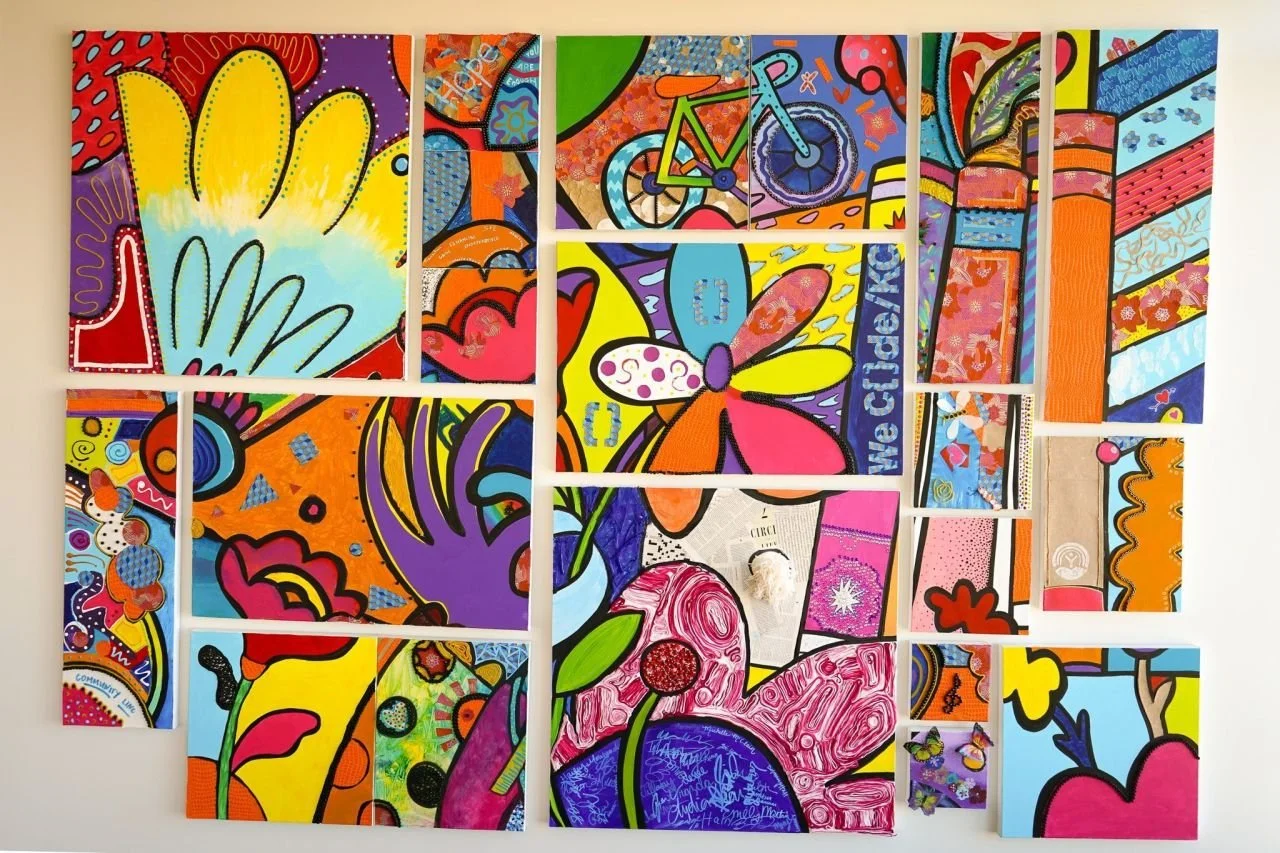
I'm also a working artist.
Painting, printmaking, photography. It shapes how I do everything else. It's how I hear what's really underneath a problem and help an organization find the story that makes the right partners lean in. And because I actually make things, I can help build what a partnership needs, or the creative idea at the heart of it. It's how I see the work.

Take their word for it
"Joey is incredible at taking the time to get to truly know the donor. But then his attention to detail, execution, and follow through is unmatched. When he's on your team, he makes everyone around him better."
Kevin Clarke
Director of Corporate Partnerships, Big Brothers Big Sisters Kansas City
"Joey brought energy, creativity, and strategic vision to the museum's corporate giving program at a critical time. His ability to build meaningful relationships, connect funders with true needs, and focus on long-term, sustainable success made him an invaluable member of our team. He also served as a fantastic mentor for less tenured staff and was so fun to work with."
Randall Roberts
Associate Vice President of Development, The Nelson-Atkins Museum of Art
"Joey is a natural relationship manager and systems builder. During his time at United Way he helped to establish strategy and processes where there were none, all the while creating transformational relationships with clients. He is an absolute joy to work with and is an incredible asset to any team lucky enough to have him!"
Amelia Crowl
Vice President of Corporate Partnerships, United Way of Greater Kansas City
"Joey leads with relationships first. He takes the time to truly understand an organization's mission, capacity, and goals, then works alongside leaders to build fundraising strategies that are both ambitious and realistic. In our work together at What If Puppets, his experience with youth-serving nonprofits and corporate sponsorship development helped us identify where our limited time and resources would have the greatest impact, allowing us to move from ideas to a more sustainable path for growth. Joey is thoughtful, clear, and deeply invested in helping organizations create meaningful, lasting impact."
Meghann Henry
Executive Director, Omaha Conservatory of Music